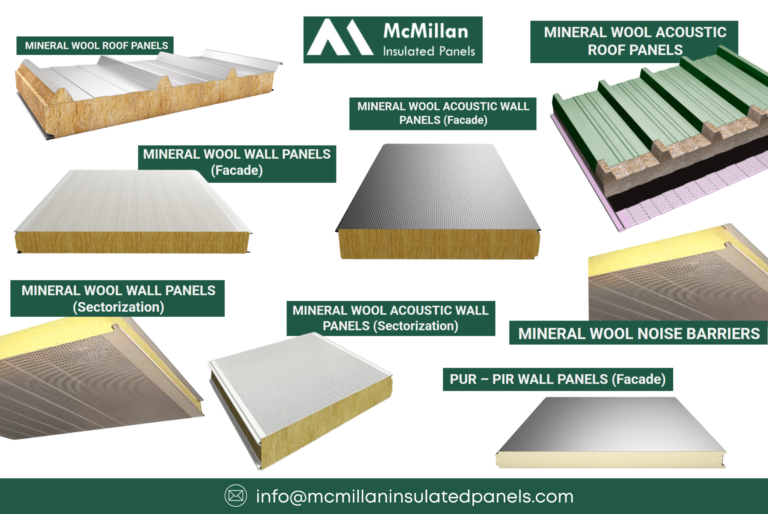
Acoustic panels are crucial in controlling the sound quality of a room, reducing unwanted noise, echo, and reverberation. Whether you’re setting up a home theater, recording studio, or looking to improve the acoustics in an office or living space, knowing how to use acoustic panels properly can make a significant difference. In this comprehensive guide, we’ll discuss how to use acoustic panels, where to install them, and tips for maximizing their efficiency.
What are acoustic panels?
Acoustic panels, also called acoustical panels, are sound-absorbing materials that reduce sound reflections in a space. They are usually made of foam, fabric-wrapped fiberglass, or other sound-dampening materials. The primary function of acoustic panels is to absorb mid-to-high-frequency sound waves, preventing them from bouncing off hard surfaces like walls, ceilings, and floors. This improves the overall sound quality in a room by minimizing unwanted echoes and reverberation.
Acoustic panels are different from soundproofing materials. While soundproofing prevents sound from entering or leaving a room, acoustic panels improve the quality of sound within the space. If your goal is to enhance the sound clarity inside a room, reduce echo, or create an ideal environment for audio recording or listening, acoustic panels are the solution. For additional sound management solutions, consider checking out noise barriers and wall panels available on the McMillan Insulated Panels website.
Why should you use acoustic panels?
The benefits of using acoustic panels go beyond reducing noise. These panels play a vital role in enhancing the overall audio experience in any environment. Some of the main reasons to use acoustic panels include:
- Improved sound clarity: acoustic panels absorb excess sound, reducing echoes and reverberations. This makes speech, music, and other sounds much clearer, which is particularly important for content creators, musicians, or anyone using a space for audio recording.
- Noise reduction: in environments like offices or open-plan living spaces, acoustic panels can reduce the impact of ambient noise. They help create a quieter, more peaceful environment, increasing productivity and comfort.
- Better listening experience: for home theaters or listening rooms, acoustic panels optimize sound by eliminating interference from reflective surfaces. This results in clearer dialogue, more defined sound effects, and overall better sound quality.
Types of acoustic panels
There are several types of acoustic panels, each serving a specific purpose. Understanding their differences will help you choose the right panel for your needs:
- Absorption panels: these are the most common type of acoustic panels. They are designed to absorb mid-to-high frequencies and prevent sound reflections. Absorption panels are typically installed on walls and ceilings and are perfect for reducing echo in rooms like home theaters, offices, or studios.
- Diffusion panels: diffusion panels scatter sound waves instead of absorbing them. This helps in creating a balanced sound distribution in a room. They are often used in combination with absorption panels to ensure that the sound energy is evenly distributed throughout the space.
- Bass traps: bass traps are specialized acoustic panels designed to absorb low-frequency sound waves (bass). These panels are typically installed in the corners of a room, where bass tends to accumulate, and are essential for rooms used for recording or playing music.
- Ceiling clouds and baffles: these are panels suspended from the ceiling to control sound in large spaces with high ceilings, such as open-plan offices or event halls. They help reduce echo by absorbing sound waves from above.
Where to place acoustic panels for maximum effectiveness
The placement of acoustic panels is crucial for achieving the best results. Here are some tips on where to install them for different types of rooms:
- Recording studio
In a recording studio, achieving sound clarity is critical. Acoustic panels should be placed at reflection points, where sound from the speakers bounces off the walls. Typically, this includes areas directly behind and beside the speaker setup. Bass traps should be installed in the corners to absorb low-frequency sound. - Home theater
For a home theater, you want to minimize any echo or reverberation. Place acoustic panels on the sidewalls and the rear wall to absorb sound reflections. Consider adding ceiling panels if the room has high ceilings to prevent sound from bouncing off the ceiling and distorting the audio. - Living room
In a general living space, controlling noise from multiple sources is often the goal. Installing acoustic panels on walls behind couches or entertainment systems can help reduce echo and improve overall sound quality. - Offices
Open-plan offices can be noisy, and acoustic panels can help reduce distractions. Install panels on the walls and ceilings to absorb sound and create a more comfortable work environment. Using baffles and clouds suspended from the ceiling can further improve acoustics in large spaces. - Conference rooms
In conference rooms, clarity of speech is essential for communication. Place acoustic panels on the walls, especially at points where sound reflections are most prominent, to improve sound quality during meetings and reduce echo.
How many acoustic panels do you need?
The number of acoustic panels you need depends on the size of the room and its purpose. A general rule of thumb is that the larger the room and the more critical the sound quality (like in a studio or home theater), the more panels you’ll need.
- Small rooms (e.g., home offices or small studios): typically, 6 to 8 acoustic panels are enough to control the acoustics.
- Medium rooms (e.g., home theaters or medium-sized offices): around 10 to 15 panels should cover most sound control needs.
- Large rooms (e.g., conference rooms or large studios): you may need 20 or more panels, including bass traps and ceiling panels, for comprehensive acoustic treatment.
How to install acoustic panels
Installing acoustic panels is relatively simple, and there are several methods depending on the material and placement:
- Adhesive strips or velcro: these work well for lightweight foam panels and can easily be removed without damaging the walls. This option is ideal for temporary or rental spaces.
- Mounting brackets: for heavier panels like fabric-wrapped fiberglass, use mounting brackets for a secure installation. These brackets ensure the panels stay fixed and are ideal for permanent setups.
- Ceiling mounts: if you’re installing panels or baffles on the ceiling, use sturdy ceiling mounts that can handle the weight and ensure proper suspension.
Ensure that the panels are installed at ear level for maximum efficiency, especially in home theaters, recording studios, or offices where sound clarity is a priority.
Acoustic panels are a powerful solution for improving sound quality and reducing noise in any space. Whether you’re setting up a home theater, a recording studio, or simply trying to create a more comfortable and quiet office, knowing how to use acoustic panels effectively will make all the difference. By choosing the right panels, placing them strategically, and ensuring proper installation, you can transform any room into an acoustically optimized environment.