In the realm of building safety, understanding the intricacies of a 1-hour fire-rated wall is crucial. These specialized wall panels and assemblies play a pivotal role in mitigating the spread of fire, safeguarding both lives and property within various building types. This comprehensive guide explores the essential elements and standards associated with 1-hour fire-rated walls, offering insights into their construction, benefits, and regulatory compliance.
Key aspects of 1 hour fire-rated walls
1-hour fire-rated walls are meticulously engineered structures designed to withstand the ravages of fire for a specified duration, typically 60 minutes. These walls are integral to building safety codes, ensuring that in the event of a fire, the spread of flames and smoke is contained long enough for occupants to evacuate safely and emergency responders to intervene effectively. Discover what is fire-rated wall.
What defines a 1 hour fire-rated wall?
A 1-hour fire-rated wall is defined by its ability to withstand standard fire exposure conditions for 60 minutes while maintaining structural integrity and limiting the passage of flames and smoke. This designation is achieved through meticulous design and the use of fire-resistant materials that adhere to stringent regulatory requirements.
Importance of 1 hour fire rating standards
The importance of 1-hour fire rating standards cannot be overstated in building safety protocols. These standards dictate the minimum level of fire resistance necessary for walls in different occupancy types, ensuring compliance with local building codes and enhancing overall fire safety preparedness.
Key components in 1 hour fire-rated wall systems
Key components in 1-hour fire-rated wall systems include specialized materials like fire-resistant gypsum, cementitious boards, and mineral wool insulation. These components work synergistically to provide thermal resistance, structural stability, and containment of fire, thereby prolonging evacuation times and minimizing fire damage.
Benefits of 1 hour fire-rated walls
Enhanced fire safety measures
1-hour fire-rated walls provide critical protection against the rapid spread of flames and smoke, significantly enhancing the overall fire safety of a building. By containing the fire within a limited area for at least 60 minutes, these walls allow more time for occupants to evacuate and for emergency responders to control the fire. This containment reduces the potential for fire-related injuries and fatalities.
Compliance with building regulations
Meeting the stringent requirements of building regulations is crucial for any construction project. 1-hour fire-rated walls are designed to comply with local and international fire safety codes, ensuring that buildings meet necessary legal standards. Compliance not only enhances safety but also facilitates the approval process for construction permits and inspections, avoiding costly delays and modifications.
Economic advantages and operational efficiency
Investing in 1-hour fire-rated walls can lead to significant economic benefits. These walls often qualify buildings for lower insurance premiums due to reduced fire risk. Additionally, the use of efficient and innovative materials in fire-rated wall assemblies can streamline the construction process, reducing labor costs and project timelines. Long-term, these walls require minimal maintenance, resulting in lower upkeep costs.
Types and variants of 1 hour fire-rated wall assemblies
Commonly adopted wall assembly designs
There are several widely adopted designs for 1-hour fire-rated wall assemblies, each tailored to specific building requirements. Common designs include single-layer gypsum walls, multi-layered gypsum systems, and walls incorporating mineral wool insulation. These designs are tested and certified to ensure they provide the required level of fire resistance and structural integrity.
Examples of UL certified designs
Underwriters Laboratories (UL) certification is a mark of safety and reliability in fire-rated wall assemblies. Examples of UL certified designs include:
- UL Design V340: A versatile wall assembly commonly used for exterior walls along property lines, providing 1-hour fire resistance from both sides.
- UL Design U348: Ideal for load-bearing exterior walls, offering 1-hour fire resistance from the interior side only.
- UL Design U305: A wood stud, load-bearing wall assembly that meets 1-hour fire resistance standards, often used as a chase wall.
Innovations in fire-rated wall solutions
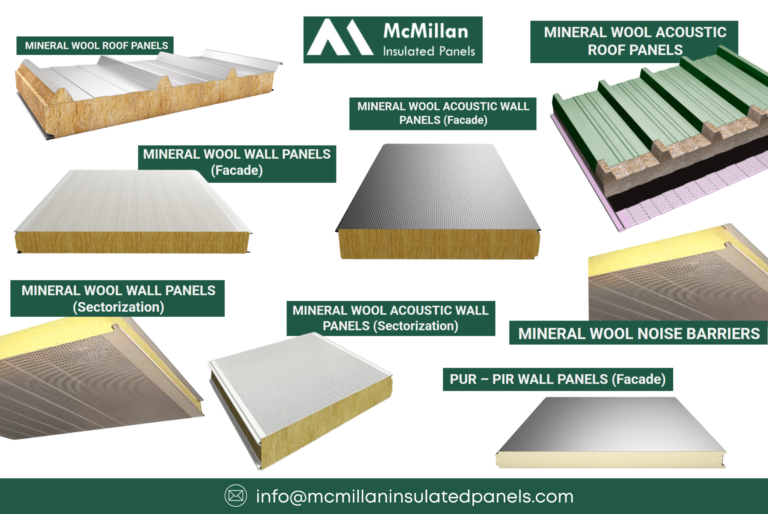
Recent advancements in fire-rated wall solutions have spurred the evolution of cutting-edge materials and construction methods, aimed at bolstering fire resistance while optimizing installation processes. Materials such as mineral wool panels are leading this charge, offering robust fire protection alongside straightforward installation. By integrating these innovations, builders can achieve slimmer wall profiles without sacrificing safety standards. This approach not only enhances design flexibility but also streamlines construction timelines and reduces overall project expenses.
Selecting appropriate materials for 1 hour fire-rated walls
Essential fire-resistant construction materials
Choosing the right materials is crucial for constructing effective 1-hour fire-rated walls. Here are some key materials:
- Mineral wool panels: Known for their excellent fire resistance and ability to maintain structural integrity at high temperatures. Mineral wool is an inorganic material that doesn’t burn or produce smoke, providing good thermal and acoustic insulation.
- Gypsum boards: Widely used in fire-rated wall construction due to their ability to retard fire spread and ease of installation.
- Cementitious boards: These materials are recognized for their high fire resistance and durability, ideal for applications requiring effective fire barriers.
Benefits of mineral wool panels and similar advanced products
Mineral wool panels offer numerous benefits in fire-resistant construction applications:
- Ease of installation: Engineered mounting systems ensure quick and efficient installation, reducing construction times and associated costs.
- Design flexibility: They enable thinner wall configurations, optimizing usable space without compromising safety.
- Economic Efficiency: Reduced layering requirements and lower long-term maintenance costs enhance project viability.
Comparative analysis with traditional construction methods
Compared to conventional construction methods, advanced materials like mineral wool panels offer significant advantages:
- Enhanced performance: Superior fire resistance and structural integrity ensure heightened safety.
- Operational efficiency: Streamlined construction processes minimize labor demands and optimize resource allocation.
- Cost savings: Efficiency in construction leads to savings in labor and material costs, as well as reduced maintenance expenses over the building’s lifespan.
By selecting the right materials and leveraging innovative solutions in fire-resistant construction, builders can significantly enhance the safety and efficiency of their projects.
Applications and use cases of 1 hour fire-rated walls
Commercial and industrial implementations
1-hour fire-rated walls are integral to the safety and functionality of commercial and industrial buildings. These walls are often used in:
- Office buildings: Protecting critical areas such as server rooms, storage spaces, and emergency exits.
- Factories and warehouses: Separating hazardous areas and storage spaces to prevent fire spread.
- Retail spaces: Ensuring the safety of high-traffic areas and stock rooms.
These implementations not only protect lives but also minimize potential property damage and downtime in the event of a fire.
Special considerations for specific building types
In residential constructions like townhouses and multi-family buildings, 1-hour fire-rated walls provide essential safety features:
- Townhouses: Fire-rated walls are used to separate individual units, preventing the spread of fire between adjacent homes.
- Multi-family housing: In apartment complexes, these walls are crucial for creating safe barriers between units and communal areas.
These applications are designed to protect residents, ensure compliance with fire safety codes, and enhance the overall safety of residential buildings.
Installation procedures and maintenance practices
Best practices for efficient installation
Installing 1-hour fire-rated walls requires adherence to best practices to ensure maximum effectiveness:
- Follow manufacturer guidelines: Always adhere to the specific installation instructions provided by the manufacturer of the fire-rated materials.
- Proper sealing and joints: Use fire-rated sealants and ensure all joints and penetrations are properly sealed to prevent fire and smoke leakage.
- Quality control: Conduct regular inspections during installation to ensure compliance with fire safety standards and building codes.
Maintenance guidelines for longevity and compliance
Maintaining 1-hour fire-rated walls is crucial for sustained performance and compliance:
- Regular inspections: Schedule periodic inspections to check for any damage or wear that could compromise fire resistance.
- Prompt repairs: Address any issues such as cracks, gaps, or damaged materials immediately to maintain the integrity of the fire-rated wall.
- Update records: Keep detailed records of all inspections, repairs, and maintenance activities to ensure compliance with fire safety regulations.
Ensuring sustained fire rating integrity
To ensure that 1-hour fire-rated walls maintain their integrity over time:
- Monitor environmental conditions: Protect walls from conditions that could deteriorate fire-resistant materials, such as moisture or physical damage.
- Train personnel: Ensure that all maintenance and inspection personnel are properly trained in fire safety protocols and the specific requirements of fire-rated walls.
- Stay informed: Keep up-to-date with the latest fire safety standards and technologies to continuously improve fire protection measures.
By following these installation and maintenance practices, buildings can sustain the fire rating integrity of their walls, ensuring ongoing safety and compliance with regulatory standards.